This morning we spoke about how childhoods have changed during the last 20 years. How have smartphones – especifically social media – impacted children and young people? We tried to figure out which age group or generation was potentially effected most by smartphone and social media use and abuse.
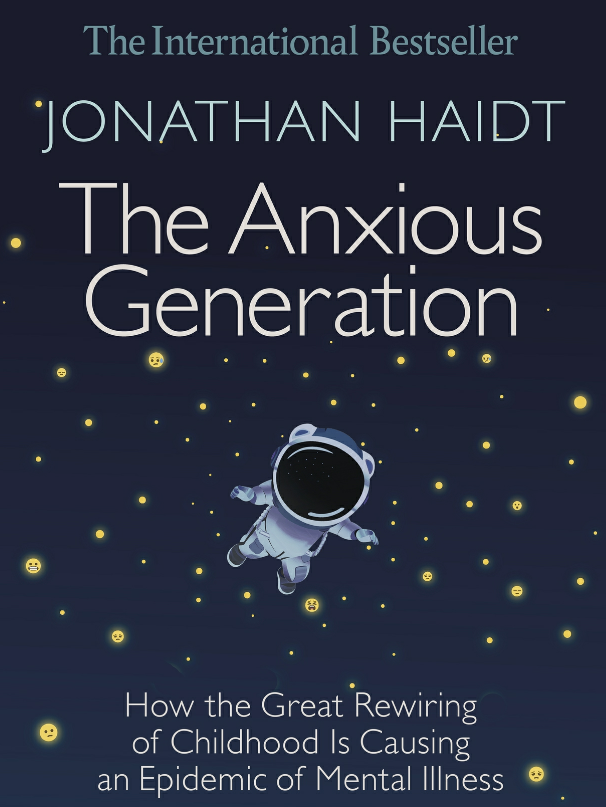
Below is a collection of links that deal with these questions. See also Jonathan Haidt’s book ‘The Anxious Generation”.
Jonathan Haidt: How screens stole childhood — and how to get it back | TED Talk
Jonathan Haidt: TED Talks Daily Book Club: The Anxious Generation | TED Talk
The Silent Epidemic: How Smartphones Are Destroying Childhood as We Know It | by Loganathan | Medium
Meta social media addiction trial to begin as Instagram and Facebook could be forced to change
A ‘quiet revolution’: Why young people are ditching social media
More than words: the real-life impact of reading – Oxford University Press
Opinion | I’m Begging You: Never Write With A.I. – The New York Times
Rick Beato on music bubbles and loss of commonality
The list above is long, but not random. It shows a development. Starting out with sources that describe the negative impacts digital devices – mainly smartphones – can have and have had on children’s lives, it continues with trends of emerging awareness. More and more research has uncovered the dangers of extended screen time; users of social media and smartphones themselves have started realizing the negative effects of constant scrolling. Parents have started actively accusing and sueing tech companies (successfully) for their reckless product promotion, making them responsible and liable for the damages caused. Movements like ‘Smartphone Free Childhood’ aim to retrieve what was lost. Scientific papers point out the importance of reading (books, not tictoc or instagram posts) and writing – yourself, not using chatgpt.
Below you will find more links in context.
*
We had already started discussing some of the questions above last year and again beginning of the year 2026:
For instance, we discussed the landmark trial reported by the New York Times against Meta and specifically: How addictive is the use of digital devices, especially social media? If the answer is ‘very’, what causes the addicition? Have tech companies intentionally implemented whatever is addictive to devices and platforms knowing, or at least not caring, what the effects could be?
Fact is that teenage unhappiness and depression, and even suicide rates have been rising (especially in the US, but not only). How much of this can be blamed on digital tech use or are other factors just as important when it comes to the well-being of young people? As a spokewoman for the accused tech companies said: Teenage troubles are complex and cannot be blamed on the companies sued.
However, as Jonathan Haidt shows in many graphs in his book, there are clear correlations between the onset of increased smart phone use and adolescent unhappiness.
Should everybody be allowed to sell whatever they want to for profit, disregarding the effects these products might have on buyers/users? Isn’t everyone responsible for their own fate i.e. what they buy, how much they consume, how they handle whatever is on the market? Or should a community represented by a government regulate to protect consumers from potentially harmful products?
Actually, countries have already decided on these questions by implementing consumer protection agencies. So the answer is a clear NO to the first two questions and YES to the third.
There have been several trials (in the US) that made big companies liable for the harm their products caused. The tobacco industry was sued for punitive damages for the false claims they made concerning the health effects of smoking in the early days of cigarette promotion (find more information and the dates of the trial). Pharma companies have been on trial; the food industry has been under scrutiny (see e.g. Marion Nestle’s activities) and, most recently, Meta:
The Social Media Addiction Trials: What to Know – The New York Times Meta and YouTube Found Negligent in Landmark Social Media Addiction Trial – The New York Times
A variety of sources deals with rising concerns of how smartphone use – especially extensive time spent on social media – is harming children and teenagers:
Smartphones and Kids: Massive Evidence of Harm
Instagram and YouTube owners built ‘addiction machines’, trial told
Jonathan Haidt Brings New Evidence to the Battle Against Social Media – The New York Times
*
The list of questions asked in relation to smartphones does not only concern children and teenagers. They range from socio-political issues – e.g. how do anonymous agents of all kinds try to manipulate users via the internet for various interests – to physical signs of extended screen time. Are there visible neurological effects on users’ brains; does excessive smartphone use change neurological pathways or brain structure or cause hormonal imbalances?
Psychologists ask how digital devices and media influence our psychological and mental well-being, and there are concerns over detrimental impacts of digital behaviour on relationships, not least on the relationships between parents and their infants whose language development depends on spoken interaction that they do not get if Mommy and Daddy are staring at their phone screens.
Though younger people and kids are more likely than adults to spend hours following social media like tic toc and instagram, many topics concern not only them. Manipulation, rising distrust of institutions, cyber bullying and cyber crime can effect all users.
Changes in our ability to concentrate, changed reading habits, increased cases of mental problems like depression, a rise of suicide rates among teenagers, and even the increase in bodies being crushed and damaged by immense overweight can all be linked to digital activities.
Screens and adolescents: How phones broke children’s brains
Autopilot: What ChatGPT Does to Your Mind (And You Don’t Realize It)
Your phone addiction is keeping you from achieving flow state | Arthur Brooks
*
Some countries have decided to ban smartphones from schools and set an age limit for social media use to protect school kids.
Social media ban in Australia | A simple guide
This is what happened after New Zealand banned phones in schools
*
The above are more recent sources. However, already in the 2010s, employees of tech companies started realizing the damaging effects technology they had helped develop was having.
Some were now in their 30ies, had kids of their own and were observing first hand what the digital devices and little applications developed to keep people hooked to their screens was doing to their own children.
Tristan Harris is one of them. In 2017 he shared his experiences and thoughts in a TED talk:
Tristan Harris: How a handful of tech companies control billions of minds every day | TED Talk
In 2016, computer scientist Cal Newport also gave a TED talk on the same issue:
Cal Newport: Why you should quit social media | TED Talk
*
In addition to the warnings of tech insiders, you find more and more voices pointing out how important ‘old’ skills of reading and writing (yourself, using a pen or pencil) is for our mental development and well-being:
Why handwriting still matters in the digital age | National Geographic
More than words: the real-life impact of reading – Oxford University Press
We often speak about our reading habits in classes: what we read, what we read in the past, if our parents read to us and if they still do, have our reading habits changed and if yes how.
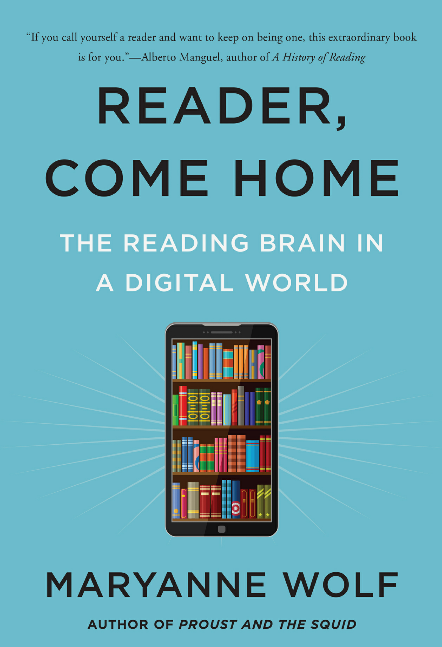
A book I recommend in this context is: